Reflections on my experience managing the African CSO Awards 2026
On 8 October 2026, EPIC-Africa announced the winners of the African CSO Awards 2026 during a ceremony in Nairobi, bringing to a close an extensive process of planning, consultation, engagement and assessment.
What began as an initiative to recognise and celebrate the contributions of African civil society organisations (CSOs) and leaders evolved into something more significant: an opportunity to reflect on the value, resilience and impact of African civil society at a time of profound change and uncertainty.
It was a demanding journey, but also one of the most rewarding experiences of my professional career.
Having spent more than three decades working with African CSOs, and advocating for greater recognition of their contributions, I have become increasingly convinced that the sector’s work is not always adequately understood or appreciated. This conviction was a key reason I accepted responsibility for managing the Awards.
But the journey took an unexpected turn.
When the context changes, recognition must evolve
The US foreign assistance cuts in early 2025 fundamentally changed the environment in which African CSOs operate. Programmes were suspended, jobs were lost, services were disrupted, and organisations were forced to reconsider their futures. Reductions and restructuring by other international funders added to the uncertainty.
For EPIC-Africa, these developments prompted a fundamental rethink of the Awards.
At a time when many CSOs struggled to sustain their work, we believed recognition could sharpen the focus on their contributions and demonstrate why African civil society deserves greater visibility and support.
The original African CSO Excellence Awards in 2019 focused on organisational excellence. While good governance, sound financial management and strong organisational systems remain essential, recent crises have demonstrated that these alone cannot guarantee an organisation’s survival or sustainability.
We therefore shifted our focus to community-led development, recognising that lasting change is more likely when communities help define their priorities, shape solutions and take ownership of the outcomes. We wanted to celebrate organisations and individuals who put these principles into practice, strengthening local leadership and enabling communities to determine their own futures.
After extensive consultations with African civil society leaders and experts, we developed nine awards across five categories: Doers (with separate awards for Africa’s five sub-regions), Supporters, Enablers, Emerging Leaders, and Lifetime Achievers.
The response was extraordinary.
We received 1,248 entries and nominations from 46 African countries. After several assessment phases, we presented 29 finalists to an independent seven-member Jury, chaired by Janet Mawiyoo, which selected the winners.
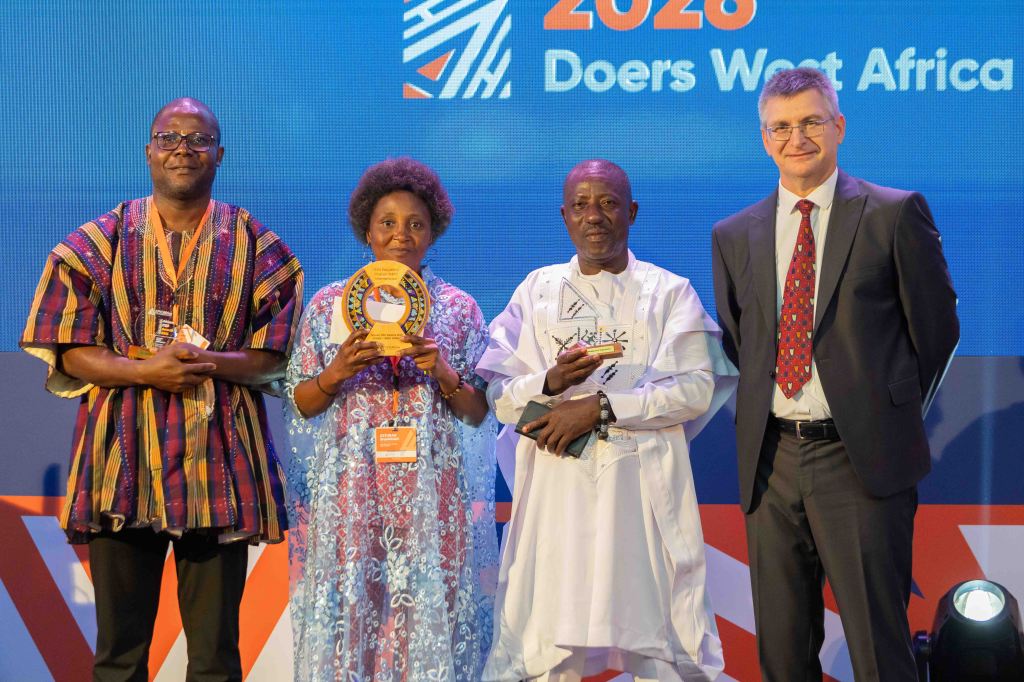
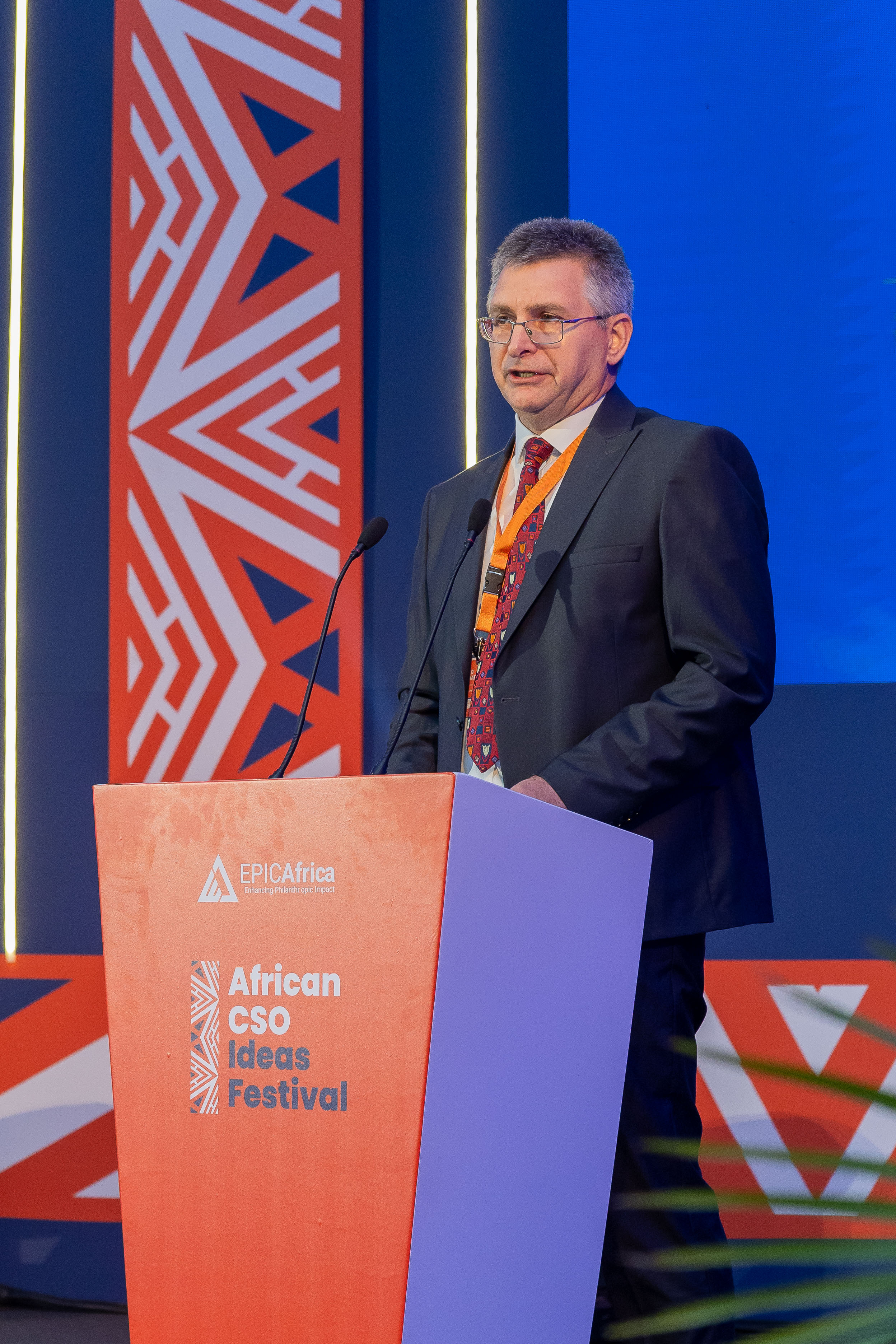
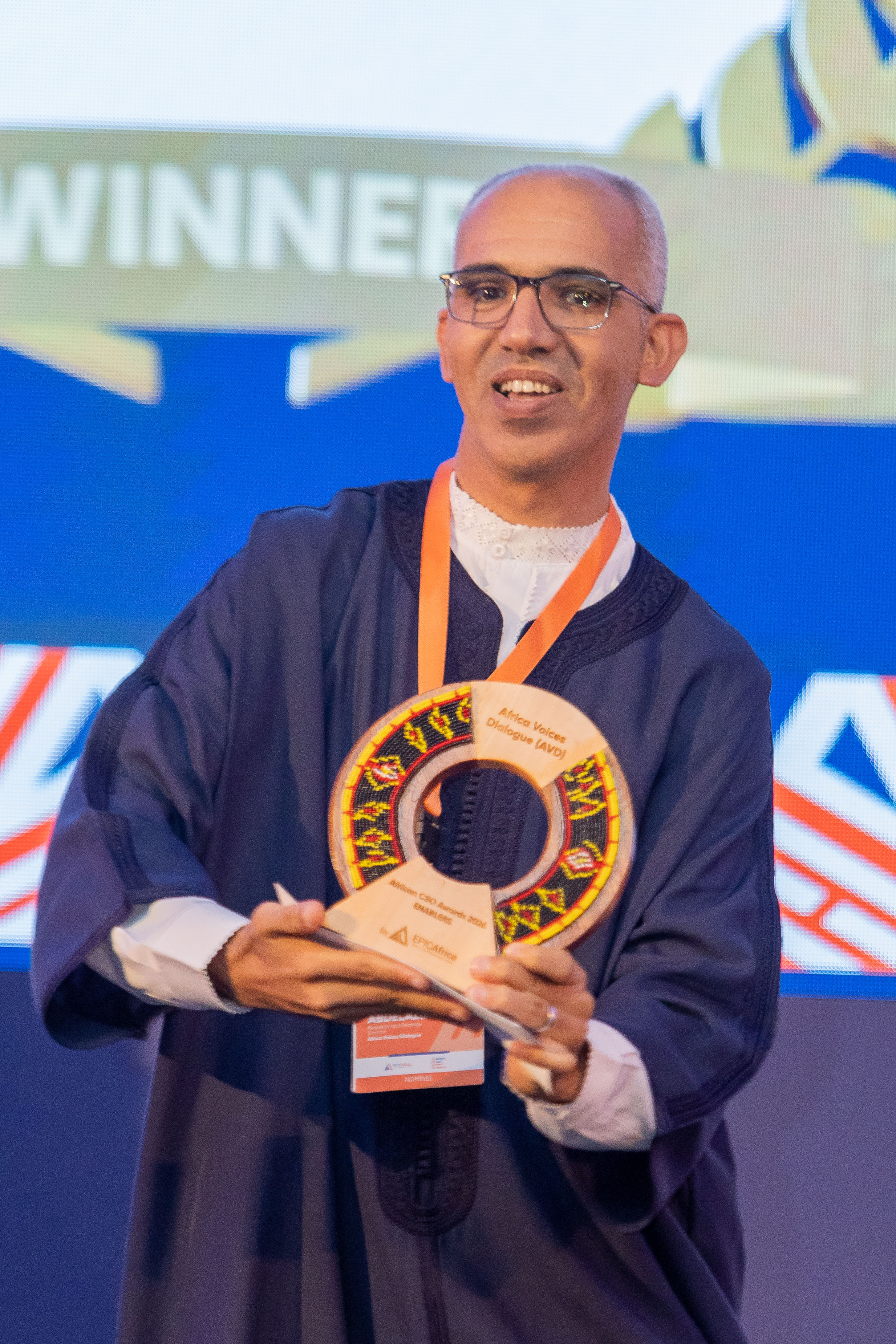
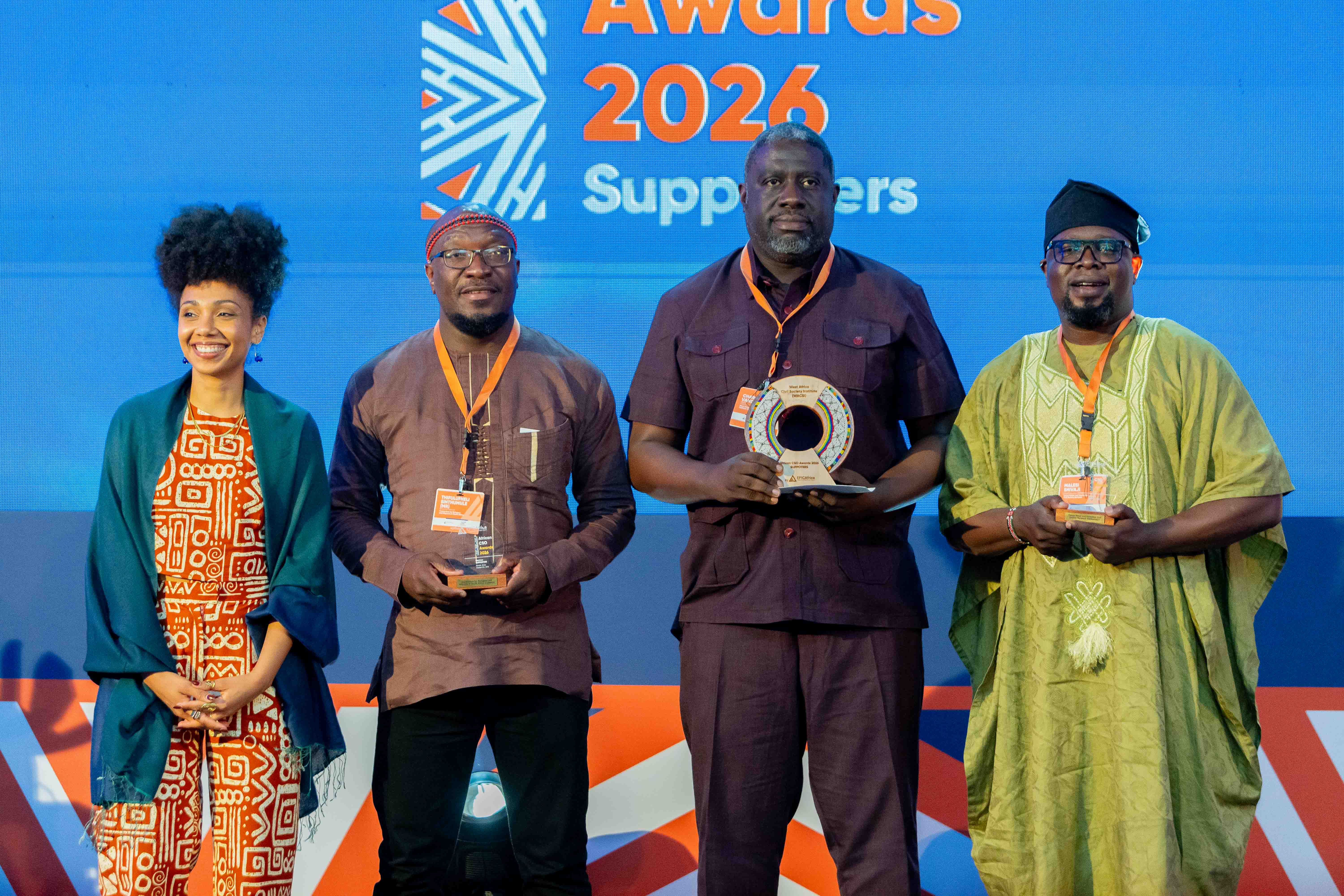
Meet the nine winners of the African CSO Awards 2026.
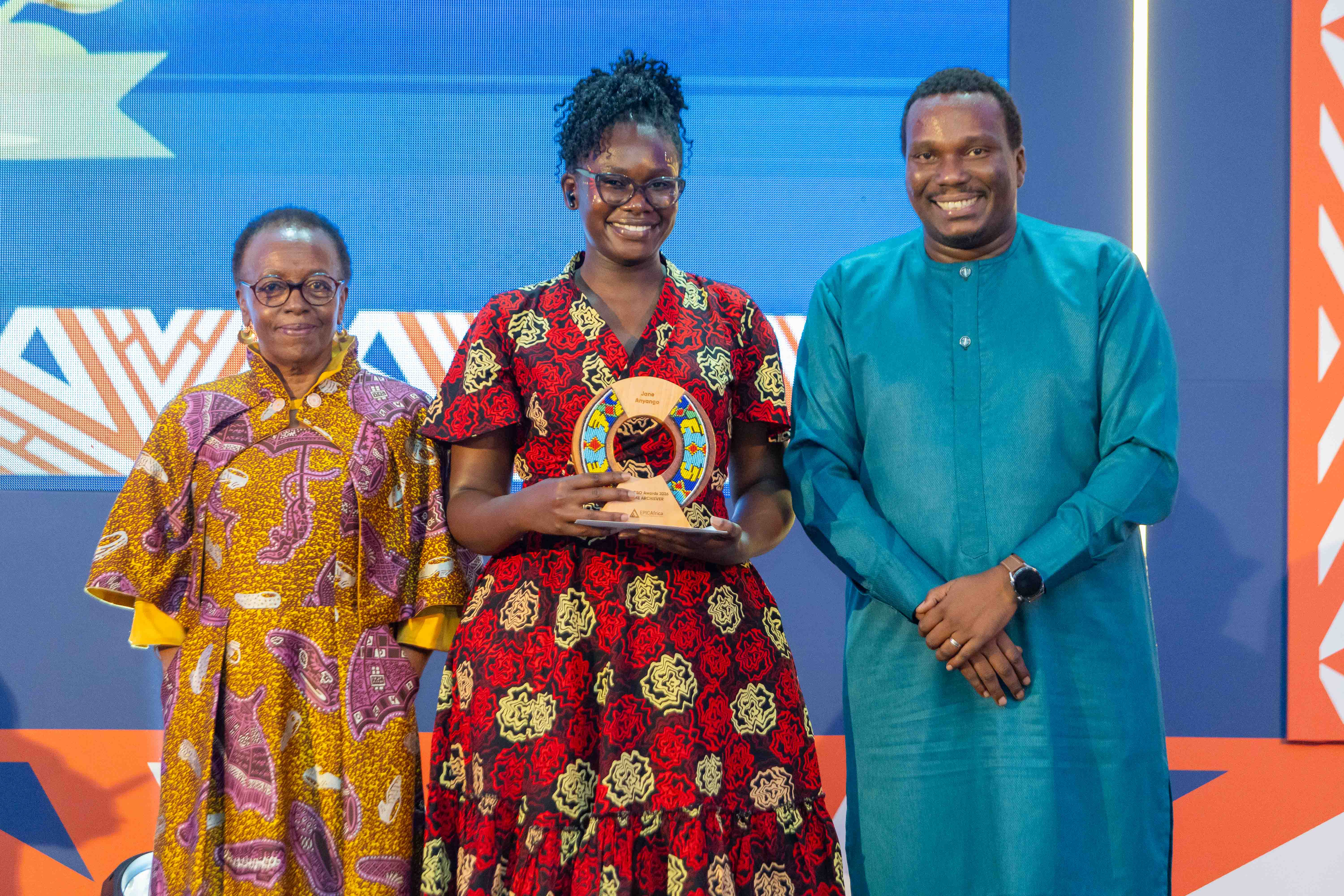
Why recognition matters
One of my strongest reflections from this experience is that meaningful recognition is becoming more important as African civil society navigates an increasingly difficult environment.
We live in a world that often expects instant results, quick returns and visible rewards. Yet much of the work CSOs undertake does not fit neatly into these expectations.
Building trust within communities takes time. Changing attitudes and behaviours takes time. Developing local leadership, strengthening institutions, protecting rights and influencing public policy can take years, sometimes decades.
Much of this progress happens incrementally, through everyday efforts that seldom attract public attention. It is not always linear, and its impact is not always immediately visible or easily measured. Yet these contributions are fundamental to community well-being and how our societies function.
As many African CSOs face declining funding, shrinking civic space, and growing demands for their services, we cannot afford to overlook this work.
Recognition alone does not solve these challenges, but meaningful recognition, the kind that honours the people and the process, and not simply the visible outcome, can go further.
It can help us better understand civil society’s value, strengthen organisations’ credibility and amplify their achievements. More importantly, meaningful recognition should encourage people and institutions to move beyond appreciation toward stronger partnerships, practical engagement, and sustained commitment to the sector.
This responsibility extends beyond funders. Governments, the private sector, the media, communities and the wider public all have a role in recognising and supporting civil society.
More than an awards ceremony
Managing the Awards reinforced another conviction: recognition must be credible to be meaningful.
Awards require more than inviting nominations, selecting winners and organising a ceremony. They demand careful planning, inclusive criteria, rigorous assessment, independent judgement and respect for everyone who participates.
Throughout the process, I aimed to ensure that the Awards reflected these principles and honoured the trust participating organisations and individuals placed in EPIC-Africa.
What I found most encouraging was not simply the quality of the finalists, but the collective story emerging from the submissions. We encountered organisations adapting to difficult circumstances, communities taking greater ownership of development initiatives, young people becoming leaders and individuals dedicating decades to improving the lives of others.
These stories reminded me why I have remained committed to promoting African civil society for so many years.
The nine winners deserve our congratulations, as do the other 20 finalists and everyone who participated. But the real value of the Awards should extend well beyond the ceremony.
Long after the celebrations have ended, the work continues. Across Africa, organisations and individuals will keep showing up, confronting challenges, building trust and creating change, often without recognition or reward.
As communities face growing challenges and resources become increasingly constrained, African civil society’s work remains indispensable.
And as the Awards reminded us, African civil society is not waiting for the future. It is already building it, from communities outward.
David Barnard is a strategy consultant to African NGOs, Founder of @AfricanNGOs and the African NGO Fundraising Hub, and managed the African CSO Awards 2026.
#AfricanCSOAwards2026 #AfricanCSOs #AfricanCivilSociety #AfricanPhilanthropy


Leave a Reply